Travelling with HiPP formula

The answer
Formula is carved out of the airport liquids limit in every jurisdiction this page checked. The TSA allows it above 100 ml in carry-on and calls it a medically necessary liquid, GOV.UK allows enough for the trip with no legal limit, and EU law names baby food as a liquid to be screened rather than capped. One difference matters: the United Kingdom's table requires the baby to be with you for formula, and the TSA says your child does not need to be.
Key takeaways
- A 200 ml ready-to-feed bottle is over the 100 ml limit, and every authority here carves formula out of that limit rather than applying it.
- Declare it and hand it over separately. All three regimes screen formula instead of banning it, and the TSA asks you to say so at the start.
- In the United Kingdom the baby must be present for formula milk. The TSA says your child need not be present or travelling with you.
- Ice packs and gel packs are allowed on both sides of the Atlantic, which is what makes the NHS's cool bag method possible.
- The NHS gives a made-up feed 24 hours in a fridge, 4 hours in a cool bag with an ice pack and 2 hours at room temperature.
How much HiPP can you take through security?
Enough for the trip, in all three jurisdictions this page checked, and none of them applies the ordinary liquids limit to it.12
The TSA is the most explicit. Formula, breast milk, toddler drinks and baby food above 3.4 ounces are allowed in carry-on baggage and do not need to fit inside the quart-sized bag, because the TSA treats them as medically necessary liquids.1
GOV.UK gets to the same place by a different route: enough baby food, baby milk and sterilised water for the trip, with no legal limit on the quantity, and a note to check with your airport before you travel.2
EU law names it directly. Airports shall screen liquids to be used during the trip for a medical purpose or a special dietary requirement, including baby food, and the hundred millilitre containers in a one litre bag are a route to exemption from detection screening rather than a cap on what a parent may carry.3
Does the 100 ml rule apply to a ready-to-feed bottle?
Not as a cap. A ready-to-feed HiPP bottle holds 200 ml, which is well over the limit, and the limit is the thing formula is carved out of.16
What replaces the cap is a procedure. The liquid comes out of your bag and is screened separately, you say what it is before screening starts, and an officer may test it for explosives.13
The practical detail worth knowing is about the container. The TSA recommends clear bottles rather than pouches, because its bottle scanners cannot always read a pouch, and a pouch it cannot read is one you may be asked to open.1
Does your baby have to be with you?
Here the two regimes disagree, and it is the one thing on this page worth checking before you pack rather than at the airport.12
GOV.UK's table marks formula milk, cow's milk, sterilised water, soya milk and baby food as allowed in hand luggage with the baby present. Breast milk is the exception it makes: that may be carried without the baby, in containers up to 2,000 ml, and not frozen.2
The TSA says the opposite in as many words: your child or infant does not need to be present or travelling with you to bring breast milk, formula and related supplies.1
Powder or ready to feed for the flight?
Powder sidesteps the liquids rules entirely, because powder is a solid. It also weighs a fraction of what the same number of feeds weighs in bottles, which is the argument for it on any trip longer than a day.2
What powder needs is water, and not any water. The NHS method is a measured amount of powder in a clean dry container, a vacuum flask of water that has just been boiled, and an empty sterilised bottle, with the feed made only when the baby needs it. It says a full sealed flask stays above 70 °C for several hours.4
Where that is not possible, the NHS names the alternative itself, and it is the liquid: use a carton of ready-to-feed formula.4
What if the water is not safe to drink?
The CDC answers this one in two steps. If you think the tap water is unsafe, use bottled water until local authorities say otherwise.5
And where the water cannot be made safe at all, because boiling, disinfecting and filtering do not remove chemicals or toxins, the CDC names ready-to-feed formula as the option.5
The NHS is more reluctant about bottled water and says why: it is not sterile and may carry too much sodium or sulphate. It allows it where the supply is unavailable or contaminated, still following the step-by-step method.4
How do you keep a made-up bottle cold on the way?
With an ice pack, which both authorities let you carry. The TSA allows ice packs, freezer packs and frozen gel packs whether or not there is milk with them, and GOV.UK lists cooling gel packs and ice packs as allowed in the cabin and the hold.12
The NHS puts numbers on what that buys you, and the middle row is the one people do not know.4
| Kept | Use within |
|---|---|
| In a fridge | 24 hours |
| In a cool bag with an ice pack | 4 hours |
| At room temperature | 2 hours |
The NHS gives these figures for a feed prepared at home and carried as a one-off, and says plainly not to do it regularly.
Read the framing as well as the figures. The NHS calls a transported feed a one-off, tells you to prepare it at home, cool it and refrigerate it until it is cold, and to take it out only as you leave.4
Products mentioned
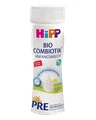 HiPP German PRE ready to feed
Where to buy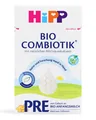 HiPP German PRE
Sold
Questions parents ask
How much HiPP formula can I take through airport security?
Enough for the trip. GOV.UK says there is no legal limit on baby milk in hand luggage and asks you to check with your airport, and the TSA allows formula above 3.4 ounces without it fitting the quart bag.
Does the 100 ml liquid rule apply to a ready-to-feed HiPP bottle?
Not as a cap. A 200 ml bottle is well over 100 ml, and all three regimes here treat formula as a liquid to be screened rather than limited: the TSA by naming it medically necessary, GOV.UK by setting no legal limit, and EU law by listing baby food among the liquids that shall be screened on entry to the restricted area.
Does my baby have to be with me to carry formula?
It depends which airport you are standing in. The GOV.UK table marks formula milk, sterilised water and baby food as allowed in hand luggage with the baby present. The TSA says the opposite: your child does not need to be present or travelling with you.
Can I take frozen breast milk or frozen formula?
Not in hand luggage in the United Kingdom, where GOV.UK marks frozen breast milk as hold luggage only. The TSA allows frozen items, including ice packs and frozen gel packs.
Are ice packs and cool bags allowed?
Yes, in both regimes. The TSA allows ice packs, freezer packs and frozen gel packs whether or not there is milk with them, and GOV.UK lists cooling gel packs and ice packs as allowed in hand luggage and hold luggage alike. That permission is what makes the NHS's cool bag method possible at all.
Powder or ready to feed for a flight?
Powder is a solid, so no liquids rule touches it, and it is far lighter. What it needs is hot water, which a flight does not give you.
How do I make a bottle where the water is not safe to drink?
The CDC says to use bottled water until local authorities say the tap water is safe, and where water cannot be made safe at all it names ready-to-feed formula. The NHS says bottled water is not usually recommended, because it is not sterile and may carry too much sodium or sulphate, but allows it where the supply is unavailable or contaminated.
What does the NHS say to pack for a feed away from home?
Three things: a measured amount of powder in a small clean dry container, a vacuum flask of water that has just been boiled, and an empty sterilised bottle with its cap and ring on. A full sealed flask stays above 70 °C for several hours.
How long does a made-up bottle last in a cool bag?
Four hours with an ice pack, by the NHS's figures, against two hours at room temperature and 24 hours in a fridge. It calls a carried feed a one-off.
Will airport security open the bottle?
They may. The TSA says officers may need to test liquids for explosives and recommends clear bottles over pouches, because its bottle scanners cannot always read a pouch. In the United Kingdom, airport staff might need to open containers to screen them. So pack the bottles where you can reach them without unpacking the rest of your bag.
Can I refuse to have the formula X-rayed?
With the TSA, yes. Tell the officer, and the liquid is cleared another way while you and your other bags go through additional screening. The TSA also states that screening will never involve putting anything into the liquid.
Sources
- TSA, What can I bring: baby formula formula, breast milk, toddler drinks and baby food above 3.4 ounces or 100 millilitres are allowed in carry-on baggage and need not fit the quart-sized bag; they are treated as medically necessary liquids; the child or infant need not be present or travelling with you; tell the officer at the start of screening and remove the items to be screened separately; officers may test for explosives; clear bottles are recommended over pouches because bottle liquid scanners may not read a pouch; ice packs, freezer packs and frozen gel packs are allowed; screening never involves placing anything into the liquid fetched 22 September 2026
- GOV.UK, Hand luggage restrictions at UK airports: baby food and baby milk you may take enough baby food, baby milk and sterilised water for the trip, with no legal limit, but check with the airport first; formula milk, cow's milk, sterilised water, soya milk and baby food are allowed in hand luggage with the baby present; breast milk may be carried without the baby in containers up to 2,000 ml, and frozen breast milk is not allowed in hand luggage; cooling gel packs and ice packs are allowed fetched 22 September 2026
- Commission Implementing Regulation (EU) 2015/1998, Annex, points 4.1.2.2 and 4.1.3.1 airports shall screen liquids, aerosols and gels to be used during the trip for medical purposes or a special dietary requirement, including baby food; such liquids are removed from cabin baggage and presented separately, alongside the containers of 100 millilitres or less that travel in a one-litre transparent resealable bag, which is itself a route to exemption from screening with detection equipment rather than a limit on what may be carried fetched 22 September 2026
- NHS, Formula milk: common questions what to take for a feed away from home: measured powder in a small clean dry container, a vacuum flask of freshly boiled water and an empty sterilised bottle; a full sealed flask stays above 70 °C for several hours; where that is not possible, use a carton of ready-to-feed formula; a made-up feed carried as a one-off keeps 24 hours in a fridge, 4 hours in a cool bag with an ice pack and 2 hours at room temperature, and should not be done regularly; bottled water is not usually recommended because it is not sterile and may carry too much sodium or sulphate, but is allowed where the supply is unavailable or contaminated; page last reviewed 8 September 2023 fetched 22 September 2026
- CDC, Infant formula preparation and storage if the tap water is unsafe, use bottled water until local authorities say it is safe again; water contaminated with harmful chemicals or toxins cannot be made safe by boiling, disinfecting or filtering, and in those situations formula should be mixed with bottled water or ready-to-feed formula used; page dated 14 May 2026 fetched 22 September 2026
- HiPP pack artwork for HiPP PRE Bio Combiotik trinkfertig 200 ml (2227-05), version V1 05/26 the sealed bottle needs nothing added, is stored dry and at room temperature unopened, and may be given at room temperature or warmed in a water bath to about 37 °C; an opened, unwarmed bottle keeps 24 hours in a fridge at no more than 6 °C fetched 25 September 2026
Corrections (0)
None since this page was published. How we correct mistakes